
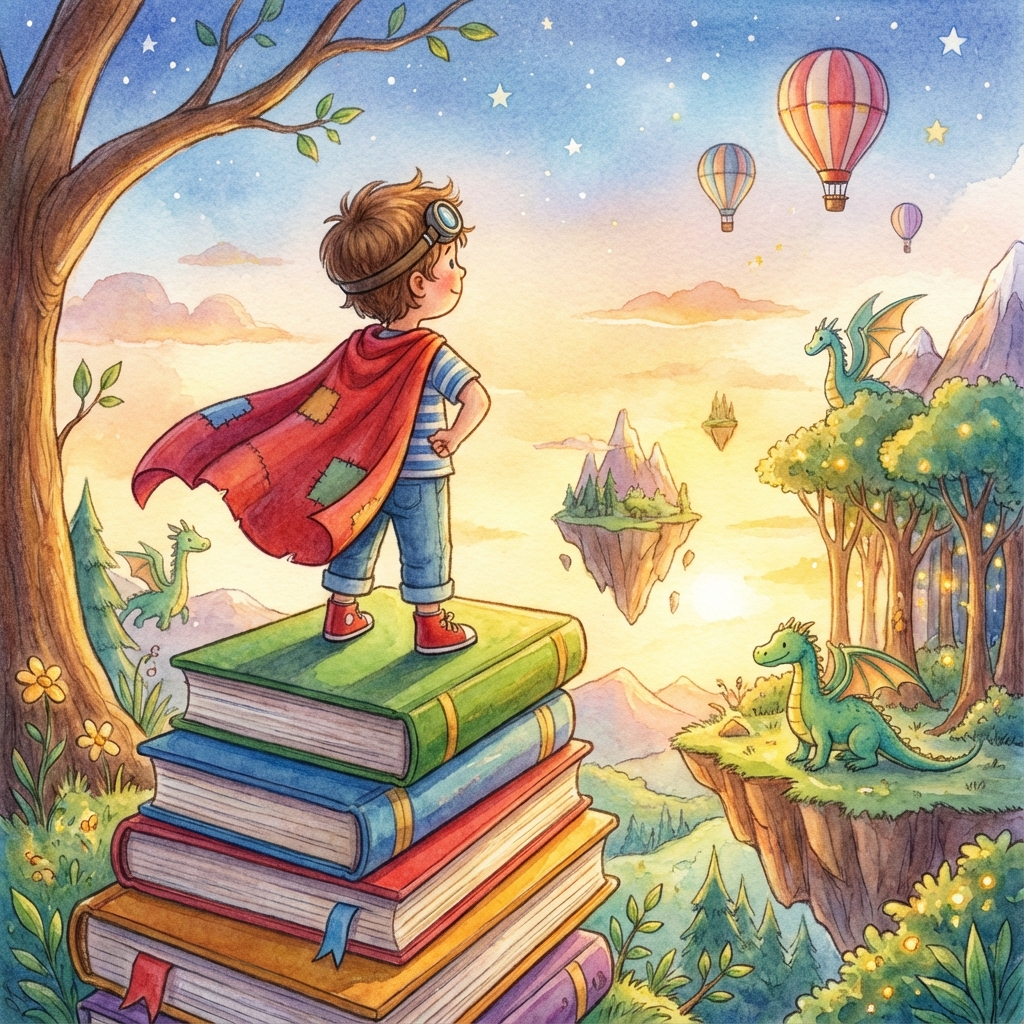
"I can't do it."
As a parent, hearing those words breaks your heart. Whether it's tying shoes, making friends, or facing a dark room, we want our kids to feel brave. We want them to be confident.
But you can't just tell a child to be confident. You have to help them see it.
The Psychology of "Possible Selves"
Psychologists study a concept called "Possible Selves." This is the idea that our motivation and behavior are driven by who we imagine we can become.
If a child can visualize themselves succeeding, they are more likely to try. If they can only visualize failure, they retreat.
This is where stories play a crucial, often overlooked role.
Stories as Simulators
A story is a flight simulator for life.
When a child reads about a character overcoming a fear, they are "simulating" that courage in their own mind. Mirror neurons fire. They feel the fear, and they feel the triumph.
Now, imagine the power of that simulation when the character is them.
The Personalized Advantage
When you create a story where "Liam" (your shy son) is the captain of a starship who has to speak to friendly aliens, you aren't just entertaining him. You are giving him a "memory" of success.
In the safety of the story, he was brave. He did speak up.
This creates a blueprint for behavior. The next time he's in a new social situation, his brain has a reference point: Wait, I'm the kind of kid who talks to aliens. I can say hi to this kid at the park.
3 Ways to Build "Hero Confidence"
- The "Hard Thing" Retelling: Before bed, tell a quick story about something hard they did that day. "Once there was a boy named Noah who didn't want to share his toy, but then he did, and he felt great." This reinforces their identity as someone who grows.
- The "Future Hero" Story: Tell stories about them doing things they haven't mastered yet (like riding a bike without training wheels). Visualize the success.
- Visual Proof: Use tools that let them see themselves in the role.
Reinforcing the Hero Identity
While verbal praise is good, visual and narrative reinforcement is stronger.
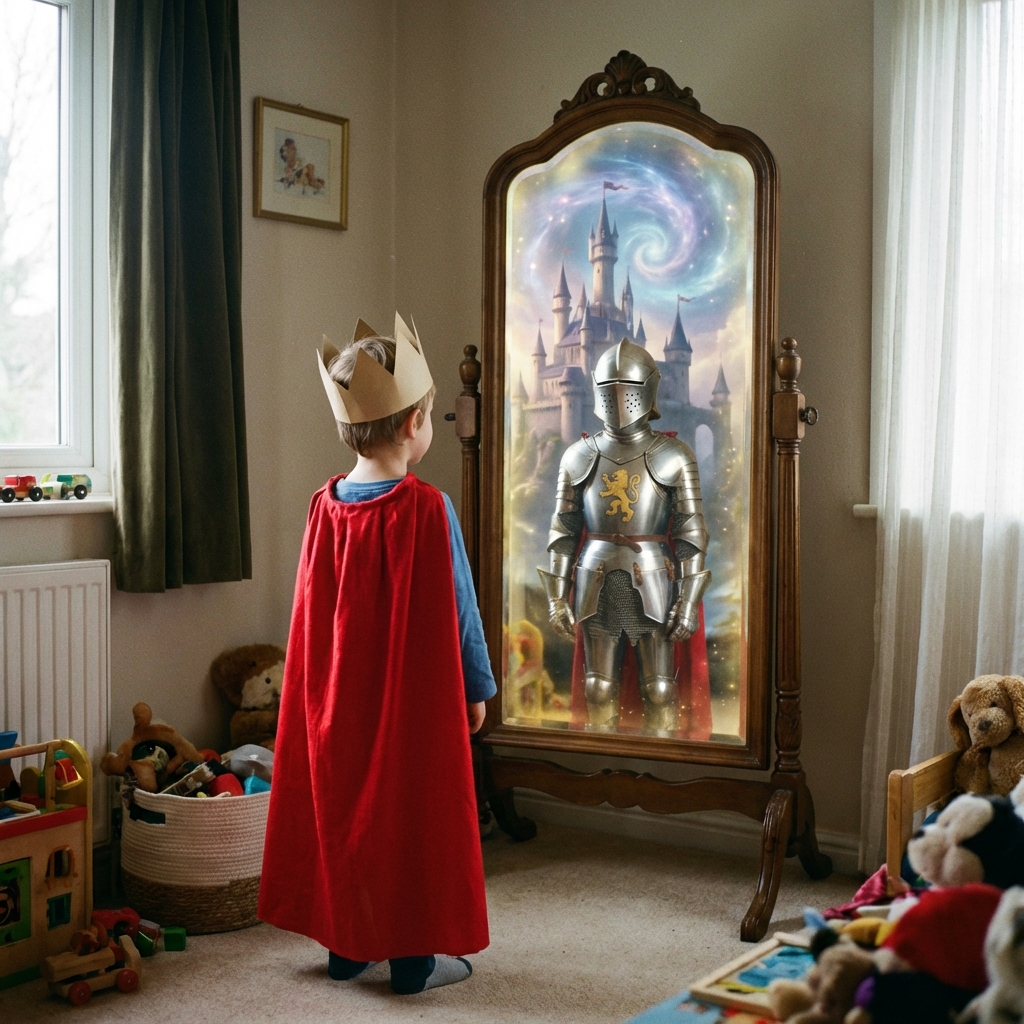
For example, using a tool like Pixloo allows you to create a story where your child overcomes the exact challenge they’re facing that week. Seeing themselves as the victor in a narrative builds a "memory" of success they can take into the real world.
The Role of 'Micro-Successes'
Building confidence isn't about one big win; it's about a series of small, validated choices. In a personalized story, every time a child decides what the character does, and that choice leads to a positive outcome, they are practicing "competence."
Identity Formation in the Early Years
Between the ages of 3 and 8, children are actively constructing their "inner narrative"—the story they tell themselves about who they are. If that story includes themes of bravery, curiosity, and kindness, those traits become part of their core identity. Personalized stories let you "curate" that inner narrative with them.
Build confidence through storytelling. Create an adventure for your little hero.